


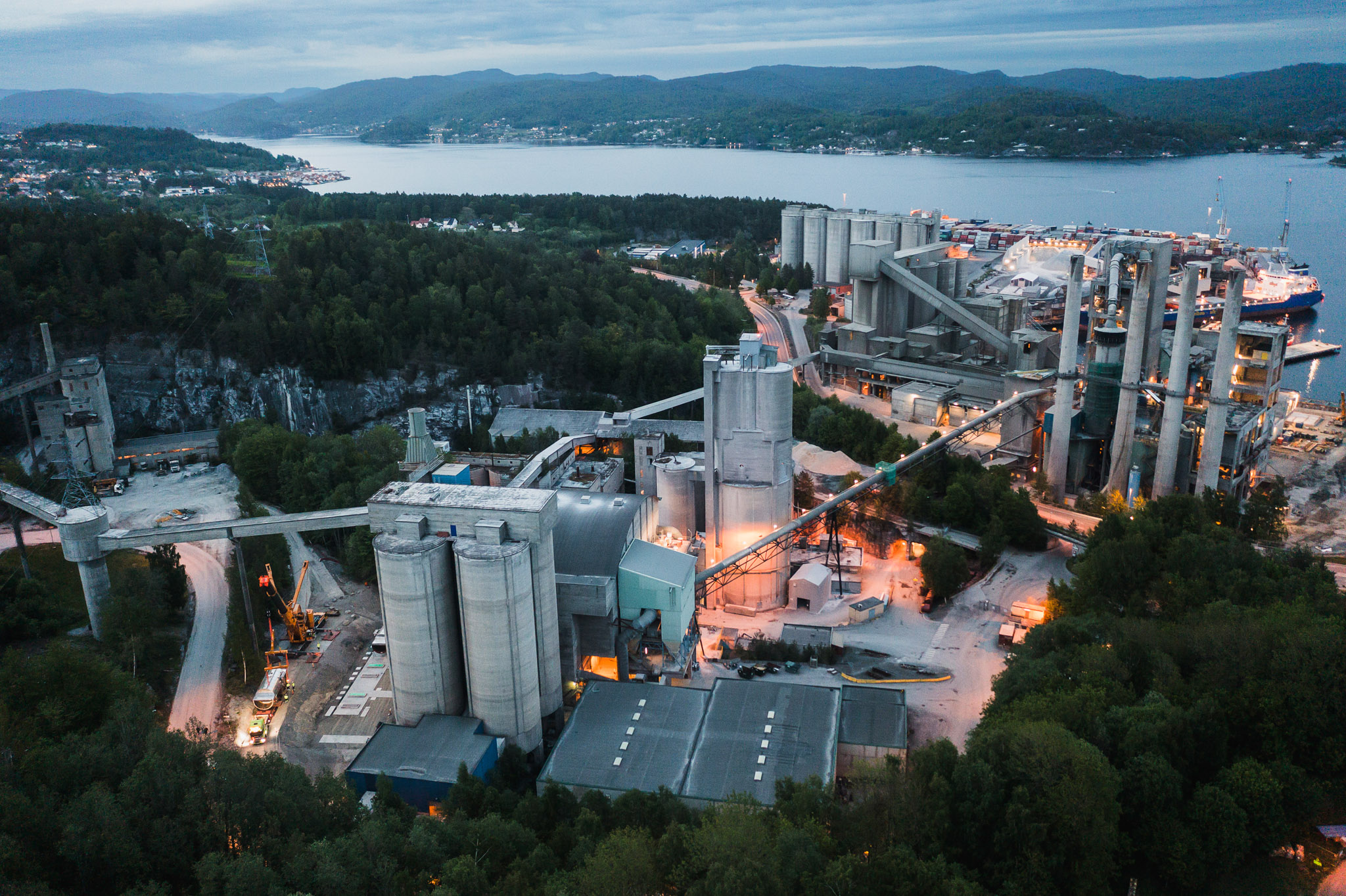
Scheduling as the Starting Point of an Industrial Shutdown
Industrial shutdowns and annual maintenance periods form a limited and predefined time window during which industrial plants carry out maintenance and inspection work, modifications, and the installation of new equipment and pressure equipment investments. Shutdowns and annual maintenance typically last one to two weeks, while the installation window allocated to an individual piece of equipment may be significantly shorter.
Equipment projects scheduled during shutdowns typically involve process components and equipment that cannot be safely serviced or replaced while the plant is in operation. In these projects, the schedule is fundamentally locked, and there is no opportunity during the shutdown to correct insufficient design or incomplete manufacturing. Scheduling, design, and installability are therefore key prerequisites for executing modifications and pressure equipment installations within a shutdown window that allows no flexibility.
The Importance of Design Within a Predefined Execution Window
The critical schedules of shutdowns and annual maintenance guide project design from the very beginning. During the design phase, equipment dimensions, connections, welding solutions, and installation sequences are defined in a way that enables extensive prefabrication prior to delivery. As a result, the time required during the shutdown itself is limited to essential installation and connection work.
Equipment installed during shutdowns is often exposed to demanding operating conditions such as pressure, high temperatures, and chemical loads. Typical applications include pressure equipment and vessels, piping assemblies, and heat exchangers. These components are also subject to statutory requirements, including design, manufacturing, and inspection obligations under the Pressure Equipment Directive (PED), as well as non‑destructive testing (NDT). Addressing these requirements is an integral part of both design work and schedule control.
Installability Is Ensured Before the Industrial Plant Shutdown
A tight schedule requires that pressure equipment is delivered installation‑ready, inspected, and fully documented before the industrial plant shutdown begins. When a project covers both design and manufacturing, installability can be addressed systematically from an early stage. In manufacturing, this means prioritising solutions that minimise the amount of work required on site. Inspections and testing are carried out in advance under controlled conditions prior to delivery.
In many shutdown locations, installation space is limited and equipment must be placed among existing structures. This affects equipment dimensions, structural solutions, and installation sequencing. Design therefore takes transport routes, lifting operations, and spatial constraints into account. Where necessary, structures are designed to be modular so that equipment can be delivered and installed without additional dismantling work.
Installability and short installation time are based on advance preparation. Pre‑assembly, fitting, and predefined installation sequences ensure that work during the shutdown or annual maintenance is carried out according to a planned procedure, without schedule deviations.
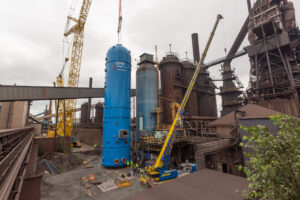
Maintainability and Documentation Supporting Future Shutdowns
Maintainability becomes particularly important in locations where equipment can only be serviced and inspected during shutdowns. In new pressure equipment deliveries, this is reflected in structural solutions and predefined inspection and maintenance points that remain predictable also in future shutdowns.
Well‑prepared documentation supports the entire lifecycle of the equipment. Clear and verifiable design, manufacturing, and inspection documentation ensures that the equipment structure, interfaces, and inspection history remain understandable even years later. This enables modifications, expansions, and maintenance activities to be carried out in a controlled manner and allows future pressure equipment deliveries to be integrated into the existing installation without introducing additional risks to the shutdown schedule.
Integrated Project Management Enables Successful Pressure Equipment Delivery Under Tight Schedules
Project management ensures that the design, manufacturing, and delivery of pressure equipment installed during a shutdown are aligned with a locked shutdown schedule. The technical requirements of the pressure equipment, constraints of the installation environment, transport arrangements, and the shutdown timeframe are addressed as a coordinated whole. Adherence to the delivery schedule, completion of statutory inspections in advance, and availability of documentation prior to delivery are critical factors in ensuring that the pressure equipment can be installed within the planned timeframe without risking delays to production start‑up.
Read more about project management here.


